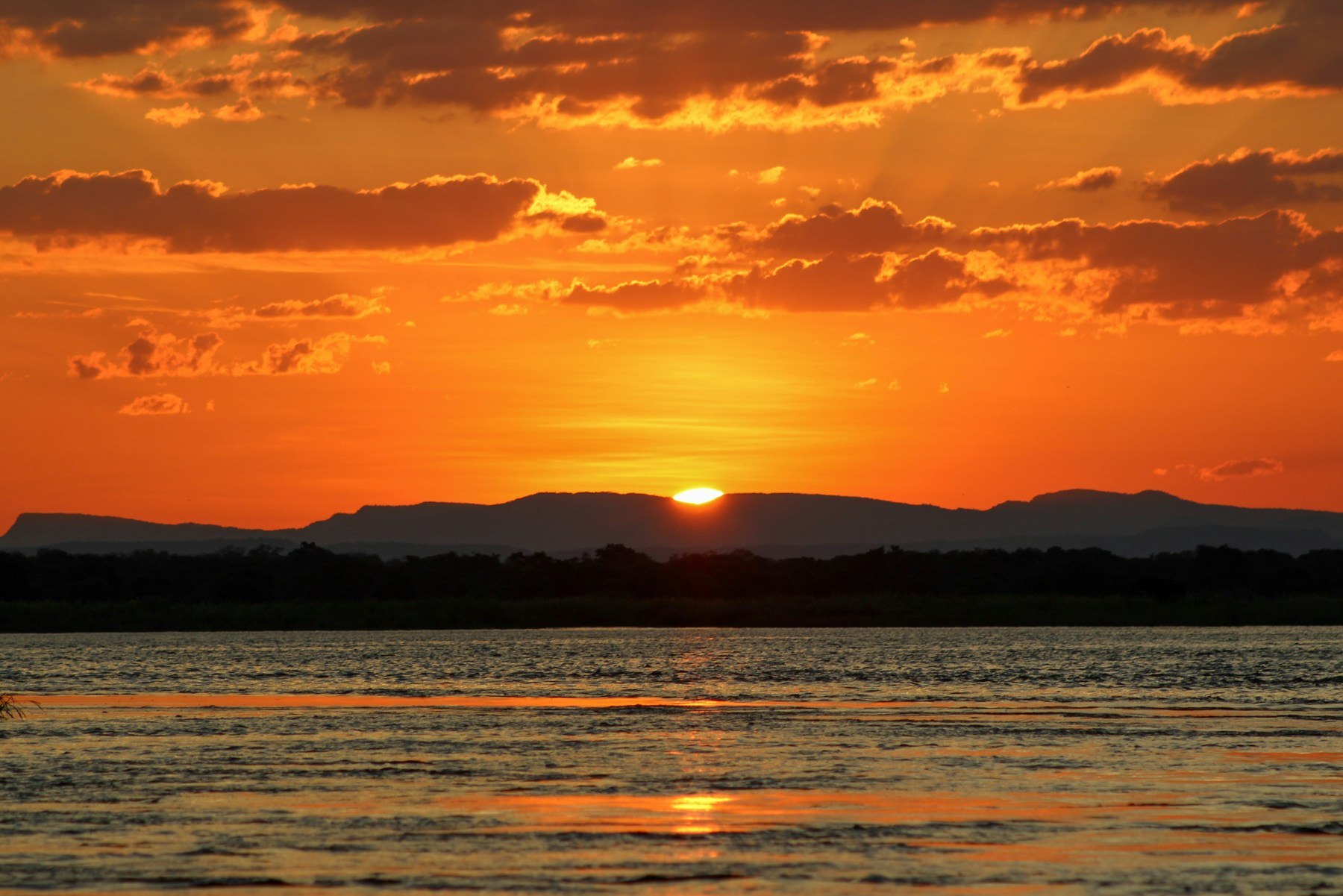
Sunset on the Zambezi
Seasons & timing

When to go.

The best time depends on the trip you want. Wildlife, temperature, light and the places on your route all matter, so begin with your priorities rather than one supposedly perfect month.

Planning notes from Sol Safaris

Match the season to the place

Conditions on the coast can feel quite different from those inland on the same day. A trip that combines the desert, coast and north needs a little flexibility in both clothing and expectations. Ask about the individual stops for your dates.

Plan around the experience

Wildlife viewing, walking, photography and weather-dependent activities do not all have the same priorities. Tell us the experience that matters most and we’ll discuss the trade-offs. Current conditions and availability are checked when planning.

May to October: the dry-season starting point

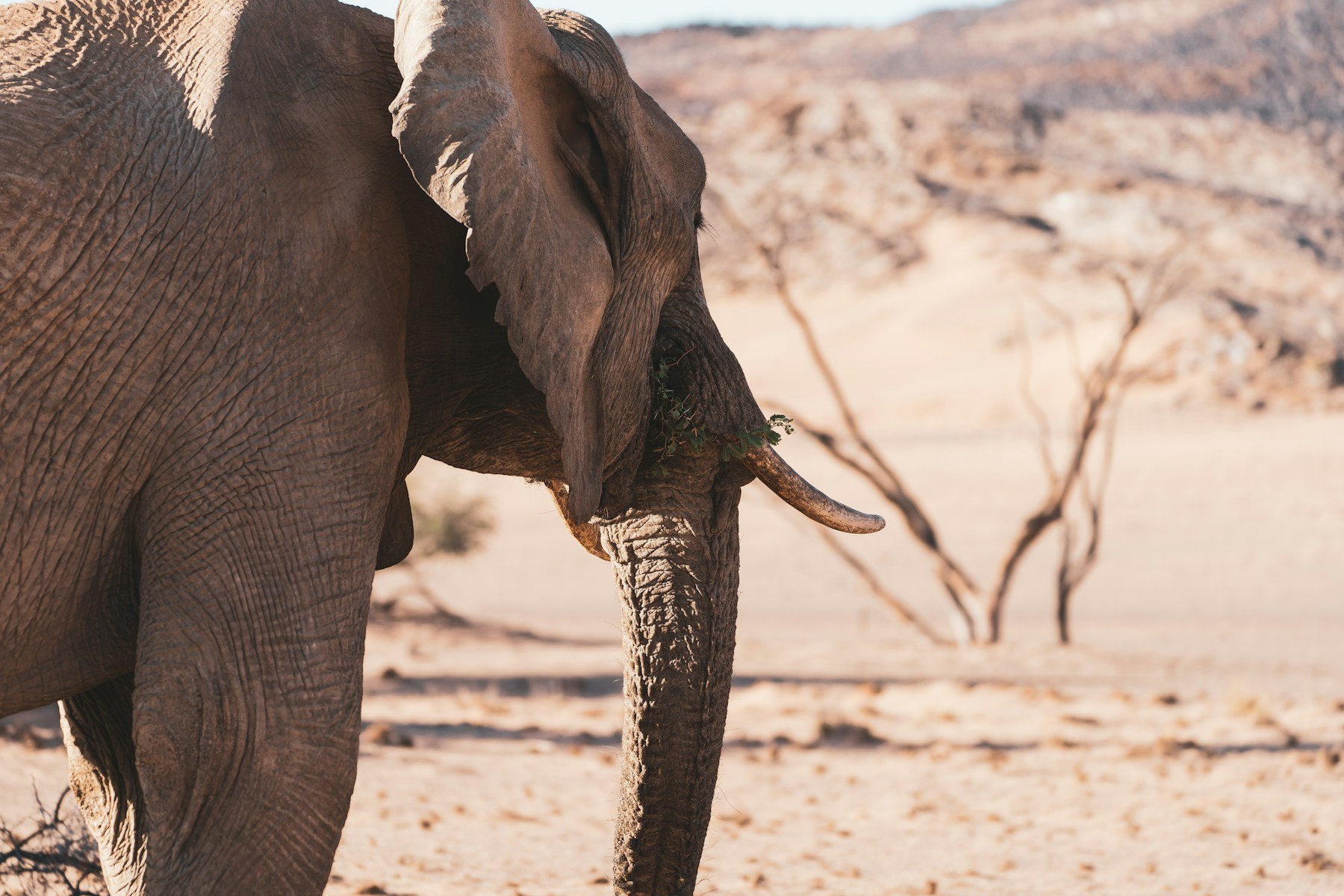
Southern Africa’s dry season generally falls from May to October. For a wildlife-focused journey, it is a useful place to start your planning: less vegetation and animals gathering near remaining water can help with viewing.

Winter mornings and evenings can be cold. Plan layers for early activities rather than packing only for warm afternoons.

The wetter months: a different landscape

Summer brings more heat and the possibility of rain. The landscape can be greener, with a different appeal for birding and photography. Conditions vary by region and year, so match the route to your dates.

Let the route guide the decision

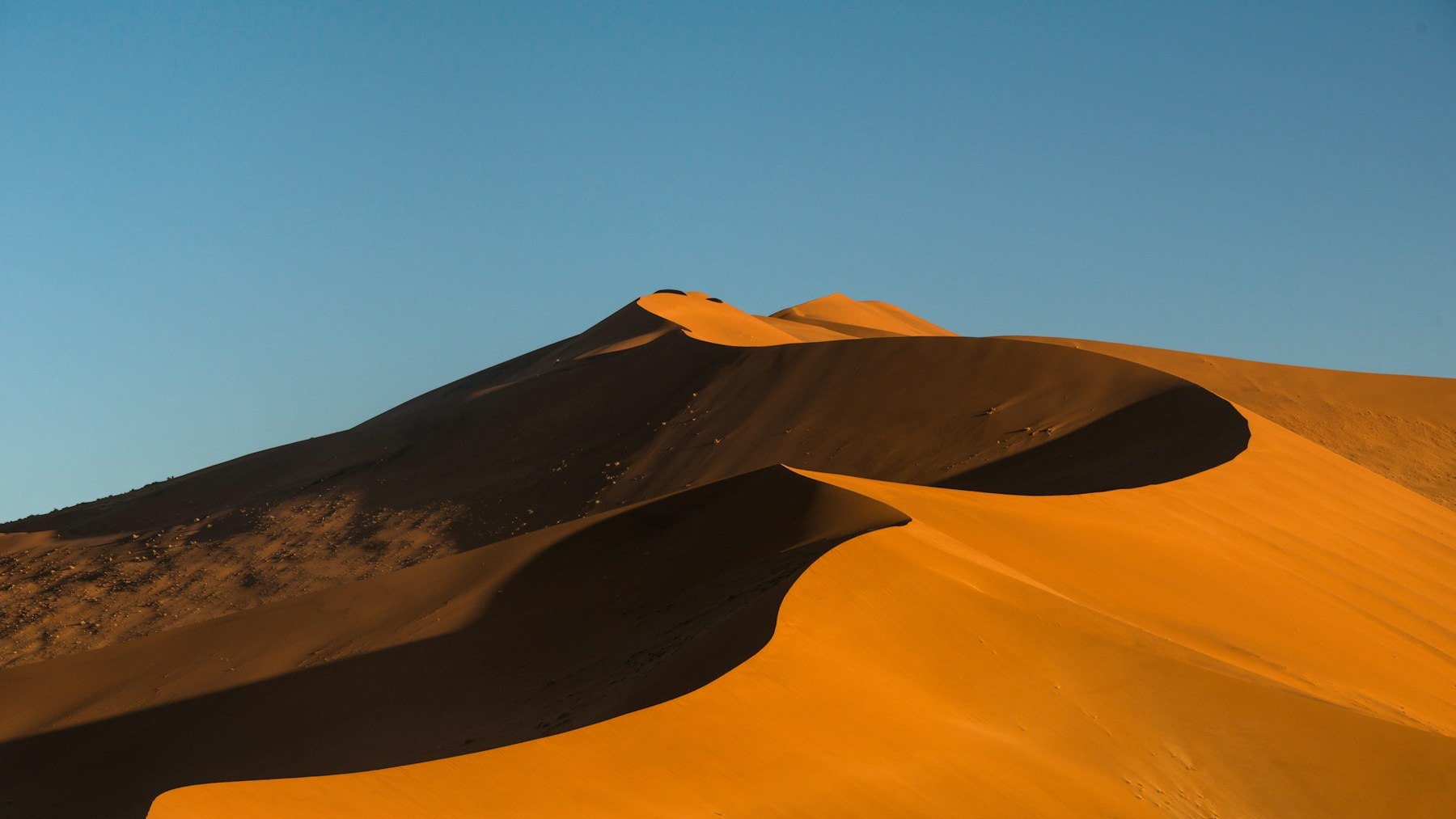
A dune walk, a coastal stay, and a wildlife drive do not all have the same ideal conditions. Identify the experience you care about most, then plan the rest of the trip around it.

See the Namibia Classic

Explore a route that brings several regions together.

Further reading: Go2Africa’s when-to-go guide. Reviewed October 2026.
Let's start somewhere

What are you drawn to?

Share your dates, who is coming and what interests you about this journey. We’ll help you work out the next steps.

Plan your safari